
Keywords: right to vote, fundamental right, paradox, election petition, false information, summary proceedings, Order VII Rule 11 CPC, full trial, dismissal of appeal.
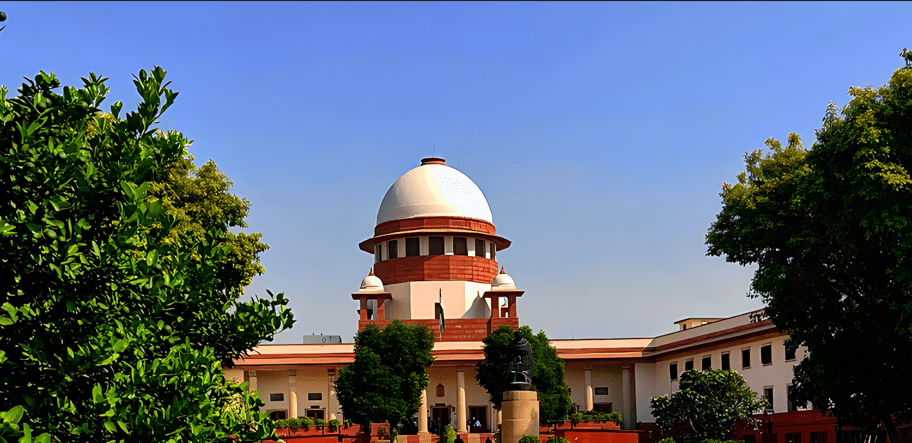
The Apex Court made a noteworthy observation pointing out the paradox that the right to vote, which is an integral part of India’s democracy and Constitution, has not been acknowledged as a fundamental right in the country. Instead it has been labeled as a mere statutory right.
A Bench comprising of Justices S Ravindra Bhat and Aravind Kumar underscored that a voter’s right to be informed about a candidate’s comprehensive background is deeply embedded in constitutional jurisprudence.
Congress leader K Madan Mohan Rao, who lost the 2019 Lok Sabha elections to Bhim Rao Patil, a leader of the Bharat Rashtra Samithi (BRS), alleged that Patil provided false information in his election affidavit, specifically regarding criminal cases against him.
Initially, the Telangana High Court dismissed the election petition on June 15, 2022. However, the Supreme Court intervened and asked the High Court to re-evaluate the case.
In March of this year, the High Court permitted the submission of the election petition. As a result, Patil appealed to the Supreme Court.
During the proceedings, the Apex Court observed that Patil did not refute the allegations or past convictions against him and that the High Court was correct in not dismissing the election petition based on Patil’s evidence to counter the accusations.
The contested order stated that evidence presented by the winning candidate, who is the respondent in the election proceedings, should not automatically lead to the rejection of the plea under Order VII Rule 11 CPC.
The court emphasized that matters concerning noncompliance with statutory and Election Commission regulations cannot be adequately addressed in summary proceedings like Order VII Rule 11 or Order XII Rule 6 of the CPC. The impact of the appellant’s failure to disclose certain cases where they were accused can only be determined after a full trial. The admission of some facts by the election petitioner is insufficient to completely dismiss the petition.
Patil’s arguments concerning the nature of the convictions should be examined during the trial and not at the initial stage.
Ultimately, the Supreme Court upheld the High Court’s order, and the appeal was dismissed.
References:
- Bar and Bench, https://www.barandbench.com/news/litigation/democracy-constitution-fundamental-right-to-vote-supreme-court-2023, accessed 25 July 2023.
By: Saatvik, BBA LL.B. (Hons.), upcoming law student at Vivekananda Institute of Professional Studies, GGSIPU, Delhi, an intern under Legal Vidhiya.





0 Comments