
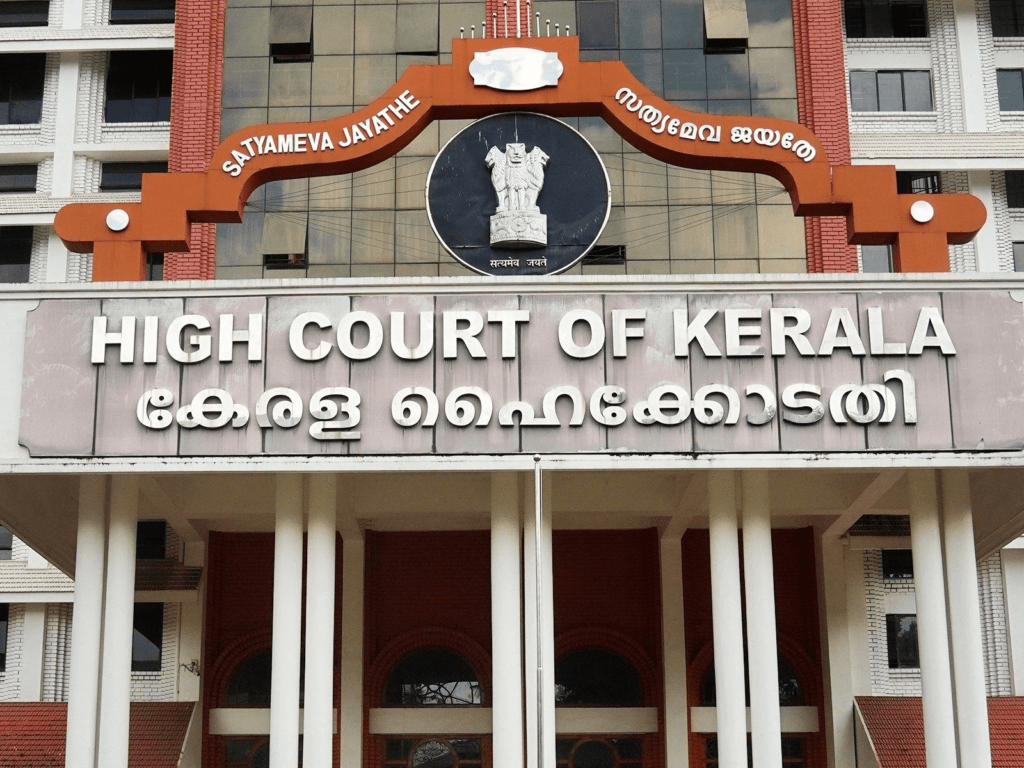
According to a recent ruling by the Kerala High Court, the maximum amount of gratuity that may be given under the Payment of Gratuity Act, 1972 shall be calculated beginning on the day on which it became due and not on the day on which the money was actually disbursed.
The Kerala State Housing Board former regional engineer’s claim that his final month’s salary and DCRG were withheld as a result of audit objections was being considered by the court. In 2002, the petitioner decided to retire. The Secretary of the Board was instructed to distribute the funds that were withheld after he previously addressed the Court. However, the petitioner claims that under Section 4(3) of the Payment of Gratuity Act, 1972, which was amended in 2010, he is entitled to a maximum gratuity of Rupees ten lakhs. [1]
When deciding on a lawsuit brought by a former regional engineer who had previously worked for the Kerala State Housing Board, Justice Murali Purushothaman reached this conclusion.
An employee is entitled to the gratuity upon termination of their job. The maximum notification amount under the relevant enactments as of the day the gratuity becomes payable should not be exceeded by the gratuity payable to an employee. Even if it is assumed that the petitioner’s claim for a gratuity fell under the Payment of Gratuity Act of 1972, the maximum amount of gratuity payable under said Act must be determined concerning the date on which the gratuity became payable and not on the date on which permission was granted for the payment of DCRG or the date on which the money was distributed to him, the Court stated in its ruling. [2]
The Kerala State Housing Board Employees’ (Pension and other Retirement Benefits) Regulations, 1990, were mentioned in the court’s ruling. These regulations apply to the petitioner. The amount of gratuity that an employee is entitled to be covered by Rule 68 of Part III of the Kerala Service Rules, as stated in Regulation 4. To the contrary, Section 14 of the Act declares that the Payment of Gratuity Act’s provisions have precedence over all other laws. [3]
The Court ruled that the Board’s workers may claim gratuity under section 4(3) of the Act because of the superseding provisions thereof. However, they are unable to make use of the KSR-eligible gratuities in doing so.
Either the KSR or the Payment of Gratuity Act, 1972 must be used to make a gratuity claim by the employee. If he makes a claim for gratuity under the Payment of Gratuity Act, 1972, the amount will be established under section 4 of the aforementioned Act, with the maximum amount specified under section 4(3). If he makes a KSR claim, the DCRG amount shall be decided under Rule 68 of the aforementioned Rules, subject to the maximum allowed therein. The Payment of Gratuity Act of 1972’s ceiling limit and the KSR’s gratuity cap cannot be combined, according to the Court. [4]
Case Title: K. Rajendra Prasad V State Of Kerala
Written by- Himanshu Mishra, a student at St. Mother Teresa Law Degree College, Lucknow, 2nd Semester, an intern under Legal Vidhiya.
References:
[1] LIVE LAW, https://www.livelaw.in/high-court/kerala-high-court/kerala-high-court-gratuity-calculation-date-payable-sanction-disbursement-230283 (last visited on June 9, 2023);
[2] BAR AND BENCH, https://www.barandbench.com/news/gratuity-calculated-from-day-became-payable-not-date-disbursement-kerala-high-court (last visited on June 9, 2023);






0 Comments