
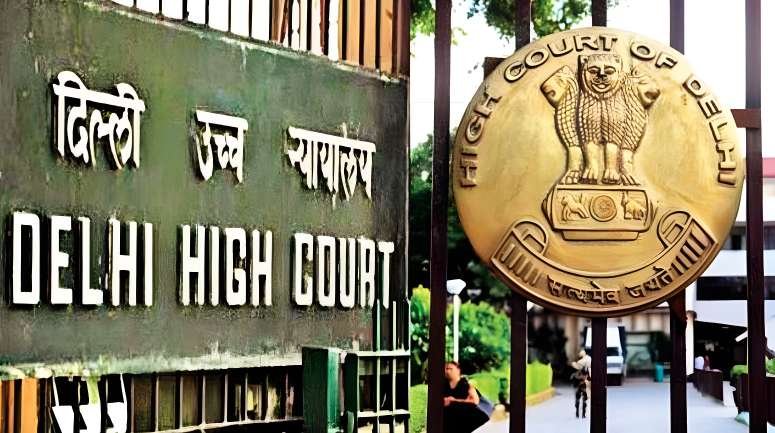
The Delhi High Court recently observed while issuing a slew o inf directions for the mental and emotional health of prisoners.
[Sartaj @ Allaharakha v State of NCT of Delhi].
Justice Swarana Kanta Sharma opined that it is crucial to ensure that the right of prisoners to dignity and their mental and emotional health are protected so that chances of their social re integration after their release from prison are increased.
On the aspect of balancing long period of incarceration with Right to Mental Illness of prisoners, the Court noted that in case a convict in prison repeatedly indulges in behaviour of indiscipline and commits acts contrary to the prison rules and conduct to be followed by the inmates, it cannot be ignored or overlooked, as other inmates may follow it too, presuming it does not invite any serious consequences. If discipline is to be maintained in the
administration of prisons, the Court has to balance its discretion in such a manner that the benevolence and affection of the Courts for kindness and leniency is not taken advantage of.
The Prisons Act of 1894 (PA) and the Prison Statistics India reveal how mental health is not a lesser discussed issue in just the society, but it has largely been ignored by the government
and especially the prisons of India. When the prison statistics released by the National Crime Records Bureau kept quiet on the number of mentally ill prisoners, it seemed as if Indian prisons did not have any mentally ill prisoners. As much as this would have been great news considering the state of prisons in India, it is not true. Human Rights Law Network Report shows that mentally ill prisoners are there and are being treated in an inhumane way. This article aims to analyse the law or rules that apply to mentally ill prisoners and their implementation through various cases and the present situation of mentally ill prisoners in India followed by some necessary reformative measures that need to be taken to ensure their welfare. Fundamental rights form the core of human rights in India. They are the basic rights of the citizens which cannot be taken away under any circumstances. The law of the country also
guarantees some of these rights to the prisoners too like Article 14, 19, 21. However, it cannot impose the fundamental rights in its full panoply to the advantage of the prisoners. Giving prisoners Right to Fair procedure forms the soul of Article 21. Levying reasonableness in any restriction is the essence of Article 19(5) and sweeping discretion degenerating into arbitrary discrimination is anathema for Article 14.
Written by- Indira malviya , College name – college of law IPS academy Indore , Semester – last year intern under the Legal Vidhiya.






0 Comments