
Keywords: confession, evidence, published, newspaper, accused
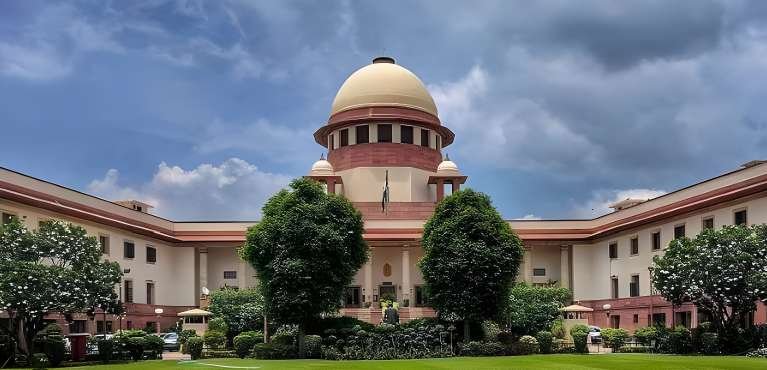
In a recent ruling, the Supreme Court made it quite apparent that extrajudicial confessions do not acquire credibility simply because they are made public in a newspaper article in the case of Dinesh BS v. Karnataka State
A Karnataka High Court judgement to preserve a murder conviction of an accused based on newspaper reports was deemed “surprising” by a bench of Justices Hrishikesh Roy and Pankaj Mithal.
“…an extrajudicial confession cannot be given greater credibility only because it is published in a newspaper and is available to the public at large. It is well-established in law that newspaper reports can at best be treated as secondary evidence,“ the order said.
The observations were made by the court as it cleared two defendants in a murder case from 1994.
The two had been ruled not guilty by a trial court. The two defendants moved to the Supreme Court in appeal after the High Court overturned their acquittal and sentenced them to life in prison for murder in 2009.
The top court pointed out that one of the defendants’ conviction was largely driven by a report that appeared in a Kannada daily.
The prosecution questioned the article’s reporter as a witness, and the reporter testified during the trial that the accused confessed to him while he was imprisoned.
However, after reviewing the evidence, the court discovered that the only person who had dealt with the accused directly was the concerned sub-editor, not the reporter. Notably, no examination of the sub-editor took place during the trial.
Additionally, the reporter in issue claimed to have heard the confession even though she had only spoken to other detainees who were awaiting trial.
The highest court made a note that the other accused was not treated equally to others who were in a similar situation.
In addition to this, the highest court found inconsistencies in the testimony of a witness for the prosecution who claimed to have brought the deceased person to the hospital. The Court ultimately granted both appeals and exonerated the two individuals in light of these factors.
Written by: Sakshi Sinha, College Name: KIIT School of Law, Semester: 6th an intern under Legal Vidhiya





0 Comments