
Keywords: Mental and emotional health of prisoners, right of prisoners to dignity.
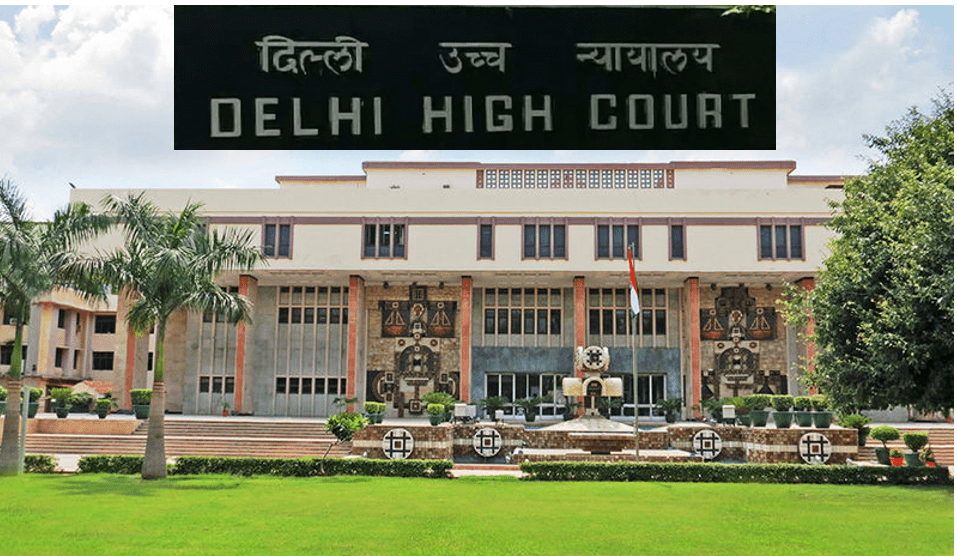
The Delhi High Court recently ruled in [Sartaj @ Allaharakha v State of NCT of Delhi] that mental health issues of long-term inmates must be handled with sensitivity. The court issued a number of directives for the mental and emotional health of detainees.
Justice Swarana Kanta Sharma opined that it is essential to safeguard the right of prisoners to dignity and their mental and emotional health in order to increase the likelihood of their social reintegration upon release.
“Without a doubt, prisons used for incarcerating criminals are able to keep criminals off the streets; however, lengthy prison sentences where inmates are neglected and their mental health is ignored are unlikely to deter future crimes. Such inmates may acquire effective crime strategies from other inmates and become disintegrated and unafraid of future incarceration, as she observed.
Therefore, the court issued various directives to promote the mental health of detainees, including a requirement that all Delhi prisons employ a counselor or psychiatrist.
The court ordered the creation of a Standard Operating Procedure (SOP) outlining how alternative therapies and facilities can be made available in institutions. The government of Delhi will provide the necessary infrastructure and funding, according to the court.
Justice Sharma further directed that if a convict is repeatedly punished in prison, the prison administration should refer them to psychiatrists in appropriate cases.
“Should it be determined that a prisoner is experiencing such mental and emotional health issues, counselling or alternative therapies and meditation facilities shall be provided,” Justice Sharma ordered.
She added that if a prisoner exhibits indications of mental health issues that are reflected in his or her behaviour, the prison administration should notify the psychiatrist on staff.
The judge added that the Prison Administration, including medical officers, should be sensitized in order to identify and address the mental and emotional health issues of prisoners.
In addition, the Delhi State Legal Services Authority (DSLSA) was instructed to host workshops to promote mental health rehabilitation for prisoners.
The court stated that the DSLSA should ensure that such programs are conducted on a regular basis, rather than just once or twice a year, so that prisoners have access to the benefits of such programs throughout the year.
The court issued the directives after hearing the petition of a prisoner named Sartaj @ Allahharakha (petitioner) who challenged the government’s refusal to grant him parole.
In 10 years of incarceration, the petitioner has been punished 13 times and has been implicated in 10 criminal cases, according to the court.
Because he was not released on parole, it was difficult for him to maintain any social connections, according to the report.
The Court went on to express concern that, although the Prison Rules address mental illness, there is no rule that addresses mental and emotional health.
The Court ordered that its order be conveyed to the Director General (Prisons), Secretary of the Delhi State Legal Services Authority, and the Principal Secretary (Home), Secretary of the Department of Law, Justice, and Legislative Affairs for compliance.
“A compliance report must be submitted to the Court within two months. The Court also ordered that a copy be sent to the Jail Superintendent of Central Jail No. 14 in Mandoli, New Delhi, for information and to be communicated to the petitioner.
Sushal Bali, an attorney, acted as Amicus Curiae in this case.
The petitioner, Sartaj, was represented by attorneys Faraz Maqbool, Vismita Diwan, Sana Juneja, Chandan Kumar, and Chinmay Chatterjee.
The State was represented by Additional Standing Counsel (Criminal) Sanjeev Bhandari and advocates Kunal Mittal and Saurabh Tanwar.
Name: Anamika Parasher., College: Jagran Lakecity University, Bhopal, Semester: LLB 5th semester an intern under Legal Vidhiya





0 Comments