
Keywords: NGT, Sinking Islands, Delhi, Environmental Law
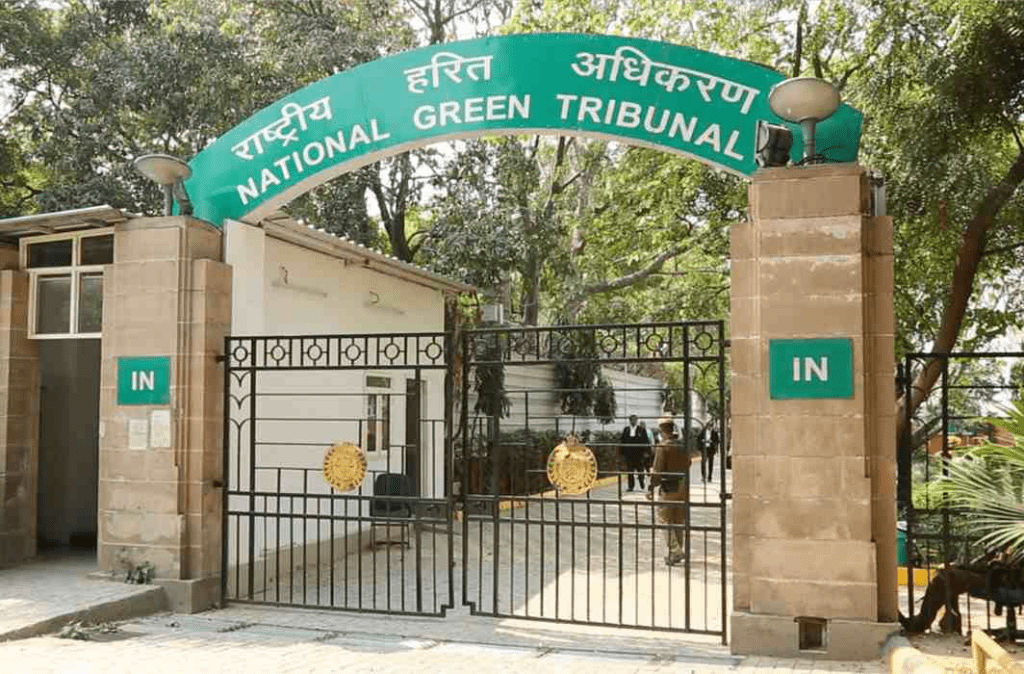
In response to the alarming rise in sea levels and its adverse impact on islands, the National Green Tribunal (NGT) has taken a proactive step by forming a committee. The committee’s primary objective is to study the consequences of sea level rise on islands and develop measures to protect them from submergence, erosion, saline ingression, flooding, and other environmental challenges.
The NGT’s decision came in light of a suo motu case registered based on an article published in The Hindu titled ‘India’s sinking islands.’[1] The bench, consisting of Justice Sheo Kumar Singh (chairperson), Justice Arun Kumar Tyagi (judicial member), and Professor A Senthil Veil (expert member), acknowledged that India’s average temperature had risen by approximately 0.63° Celsius from 1901 to 2021. The tribunal noted that this temperature rise was primarily attributed to the warming effect of greenhouse gases, partially counteracted by human-induced aerosols.
The NGT further emphasized that rising temperatures had dire consequences, including the melting of glaciers, elevation of sea levels, altered precipitation patterns, and increased frequency of extreme weather events globally. Recognizing the vulnerability of multiple islands along the Indian coast, as well as those located in rivers, to erosion and submergence, the tribunal decided to take action.[2]
To address this pressing issue, the NGT has constituted a committee comprising the Directors of the National Institute of Oceanography (NIO) in Goa, the National Centre for Sustainable Coastal Management in Chennai, the National Institute of Ocean Technology in Chennai, and the Survey of India in Dehradun. This expert panel is tasked with conducting a comprehensive study on the impact of rising sea levels on islands and formulating a policy framework to safeguard these vulnerable regions.
According to The Hindu article, one of the key factors contributing to the submergence of these islands is the rise in sea levels, which is a direct consequence of global warming. This increase in sea levels has led to the intrusion of saline water into agricultural and drinking water sources, further exacerbating the challenges.
The NGT committee was appointed a deadline of three months to submit its report, which will serve as a crucial guideline for future actions aimed at protecting these threatened islands. The matter will be revisited by the NGT on October 13, indicating the tribunal’s commitment to addressing this pressing environmental concern.[3]
Written by- Ananya Upadhye, College name – ILS Law College, Semester- 6th an intern under Legal Vidhiya
[1] India’s Sinking Islands- The Hindu





0 Comments