
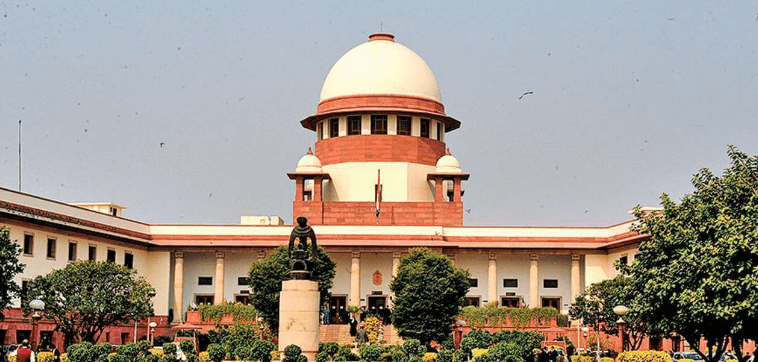
The Reserve Bank will’ shortly provide updated instructions on fraudulent account classification to reflect the most recent ruling from the Supreme Court, which urged lenders to give a defaulter natural justice before branding him a fraudster. According to a ruling of the SC, a borrower must get natural justice before being labelled a fraud.
The court, presided over by Chief Justice DY Chandrachud, refused to review the order on May 13 but clarified that a personal hearing meant only that a defaulter should be given adequate notice and an opportunity to make a representation and that the order would only apply prospectively. This was despite the fact that State Bank had moved the court with a review petition asking whether the March 27 order only applied prospectively and not affect past decisions.
In addition, Jain stated, “The RBI is reviewing the entire guidelines on the classification of fraud in consultation with various stakeholders and will release our guidelines very shortly.” The SC ruling, he continued, “is applicable to all the regulated entities regardless of RBI’s guidelines.”
The apex court stated in a ruling on March 27 that banks should give borrowers a reasonable opportunity to be heard before labelling an account as fraudulent. A bench of chief justice DY Chandrachud and Justice Hima Kohli upheld a Telangana High Court ruling from 2020 that stated that labelling an account as fraudulent had additional legal repercussions for the borrowers in addition to informing investigating authorities of the crime.
The appeals pertaining to the Reserve Bank (Frauds Classification and Reporting by Commercial Banks and Select FIs Directions 2016 were heard in the High Court. The main argument was that borrowers would not have a chance to be heard before their accounts were classified as fraudulent.
The court had stated that debarring a borrower in accordance with the master directions on frauds is equivalent to blacklisting the borrower as untrustworthy and unworthy of banks’ credit.
“It also entails significant civil consequences as it jeopardises the future of the business of the borrower. Therefore, the principles of natural justice necessitate giving an opportunity for a hearing before debarring the borrower from accessing institutional finance. The action of classifying an account as a fraud not only affects the business and goodwill of the borrower but also the right to reputation,” it said.
Written By- Aditya Singh, College Name- Army Law College, Pune, Semester- 2nd Semester Student an Intern under Legal Vidhya






0 Comments