
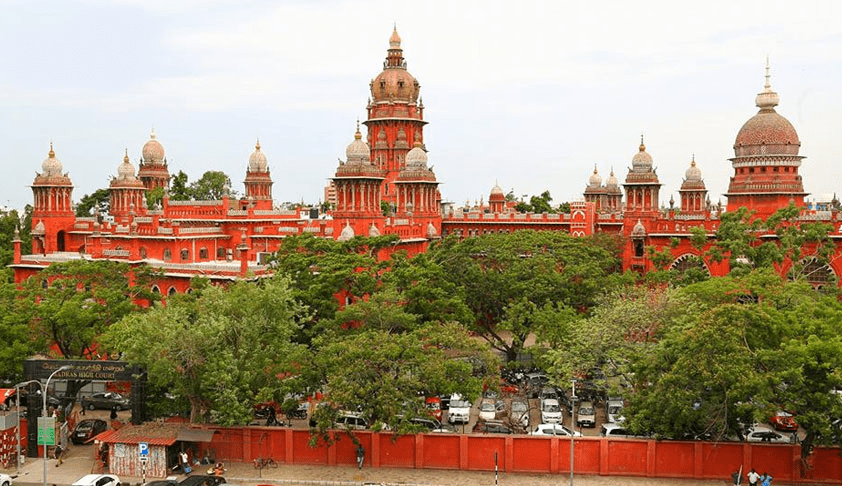
Justice GR Swaminathan of the Madurai bench passed the order while observing that right to life guaranteed under Article 21 of the Constitution is applicable to all persons residing in India including refugees.
It cited several judgments including the Madras High Court judgment in Neyatitus v The Regional Passport Officer to say that “Article 21 of the Constitution of India is applicable to all persons, citizens and non-citizens alike.”
Observing that the serious restrictions in place for Sri Lankan refugees will have an adverse bearing on their right to work, Madras high court on Monday said that time has come to recognise refugees’ right to work without restrictions.
Justice G R Swaminathan observed that the Supreme Court had held that the ‘Right to life’ enshrined in Article 21 of Constitution indicates something more than mere animal existence. Even non-citizens who had come here merely as tourists or in any other capacity will be entitled to protection of their lives in accordance with Constitutional provisions. They have the right to live so long as they are here with human dignity. The
state is under an obligation to protect the lives of both citizens and non-citizens.
Sri Lankan refugees living in camps for decades have been issued identity cards and have been allowed to pursue their avocations and earn their
Living.
The Supreme Court held that the right to live and the right to work are integrated and independent and therefore, if a person is deprived of his right to work, his very right to life is put in jeopardy. “Time has come to recognise the refugees’ right to work without restrictions,” observed the judge.
The judge said that a refugee has to be housed in reasonably decent accommodation and basic infrastructural facilities made available. “When the right to shelter and housing has been recognised internationally as a human right, it cannot be denied to the refugees living in a camp,” he said. The privacy of women and young girls has to be ensured in a camp which houses a few hundred families. The court was hearing a petition filed by Athipathi, a Sri
Lankan refugee housed in a camp along with his family members at Thiruvathavur in Melur, Madurai.
However, if the refugees get involved in criminal cases, they would be lodged in a special camp after they obtain bail. Even such foreigners would be paid ₹175 per day and permitted to cook their own food by obtaining a gas connection. Relatives could also visit them at the special camps and the government provides free medical treatment too at nearest government hospitals. Therefore, such detention could not be termed illegal, the A-G argued.
The ruling recognized that refugees, who have been living in camps for decades, should be allowed to pursue their avocations and earn their living without undue restrictions.
Written by Indira malviya , intern under legal vidhiya.





0 Comments