
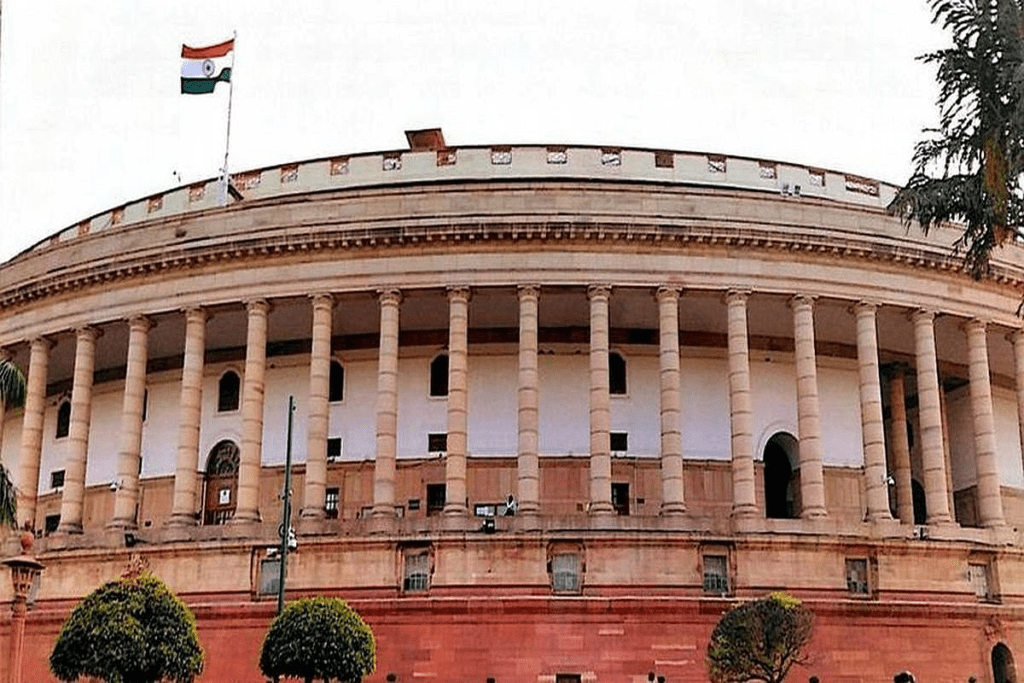
Key words :- Lok Sabha , Parliament , IPC , Mob Lynching , Bharatiya Nyaya Sanhita .
According to Section 101(b) of the proposed legislation, every individual within a mob engaged in lynching could be subjected to the death penalty, life imprisonment, or imprisonment for a period of seven years or longer.
Mob lynching would be established as a criminal act with the potential for the death penalty under the Bharatiya Nyaya Sanhita, 2023. This new legislation, if approved by Parliament, could replace the existing Indian Penal Code (IPC).
In a statement made in the Lok Sabha, Union Home Minister Amit Shah stated that the proposed Bill aims to penalize those participating in instances of mob lynching.
While the offense itself is not distinctly defined, it would be punishable under the same clause as murder, specifically Section 101.
Under the proposed law, if a murder is carried out by a group of five or more individuals based on factors like race, caste, community, sex, place of birth, language, personal belief, or other grounds, each member of the group could be liable for the death penalty, life imprisonment, or imprisonment lasting seven years or more.
Although the Bill doesn’t explicitly mention “mob lynching,” the Home Minister clarified that the matter of mob lynching has been thoroughly examined and is now covered by penalties within the new legislation.
Back in 2018, the Supreme Court had strongly criticized the increasing incidents of mob violence and lynching in India. The court had called for the introduction of a distinct law to address this problem.
At that time, a three-judge Bench, led by Chief Justice Deepak Mishra along with Justices AM Khanwilkar and DY Chandrachud, had issued a comprehensive series of guidelines aimed at tackling the issue of mob lynching.
A recent public interest litigation (PIL) was presented before the Supreme Court, highlighting worries about the escalating occurrences of mob violence targeting minority groups.
On July 28, the highest court had requested responses from the Central government and the police in six states in relation to this matter.
Written by :- RATNESH TEMBE, College :- Law Department , PIMR , Indore , An intern under LEGAL VIDHIYA.




0 Comments