
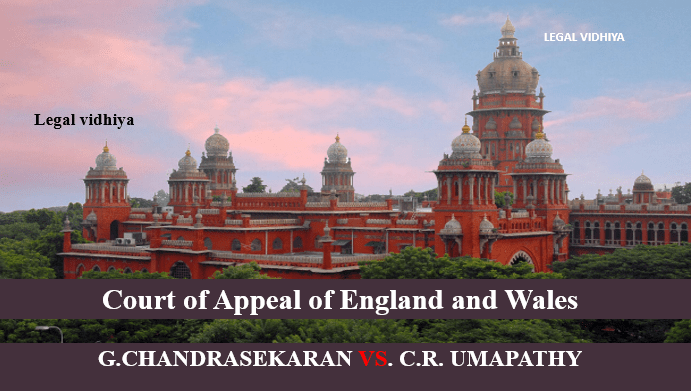
G.CHANDRASEKARAN VS. C.R. UMAPATHY
| Citation | 2004 |
| Date of Judgment | 27th SEPTEMBER, 2004 |
| Court | MADRAS HIGH COURT |
| Case Type | NEGOTIABLE INSTRUMENT AND CRIMINAL CASE |
| Appellant | G. CHANDRASEKARAN |
| Respondent | C.R. UMAPATHY |
| Bench | MR. JUSTICE C. NAGAPPAN |
| Referred | SECTIONS –397, 401, 245, AND 203 OF Cr. P.C138 OF THE NEGOTIABLE INSTRUMENT ACT |
FACTS OF THE CASE
The mentioned case is a revision case as it is a re-examination of the order previously passed. The petitioner in this case has filed a complaint under section 138 of the negotiable instrument act for dishonouring the Cheque due to insufficient balance in the bank account of the respondent according to the section, the cheque has to be presented within the period of 6 months.
Whereas, the respondent has been discharged for his crime under sections 245 and 301 of CrPc for the discharge. The respondent being the insolvent has been on the improper evidence granted discharge.
After the order passed by the trial court, the case has been re-examined by the high court of Madras and the case is further made to arguments by both the counsels of the petitioner and deponent.
ISSUES
- Whether the discharge petition was valid?
- Whether the case for revision is valid?
ARGUMENTS
The learned counsel of the petitioner stated that the discharge of the individual was made on an ambiguous basis as the sessions court has passed the order based on the affidavits being the statement of truth and the evidence and documents whereas those documents do not display the entire truth and even the court passed the order without proper following the procedure as without the submission of all the documents the judge cannot grant discharge.
The petitioner’s counsel also presented that for infringing section 135 of the negotiable instrument act the accused has to be punished with imprisonment of up to 2 years in jail but here the case was not analyzed by the trial court judiciously.
The counsel of the petitioner has taken into reference the judgment of the Supreme Court on the case ADALAT PRASAD V. ROOPLAL JINDAL &ORS. Where the Supreme Court stated the ambiguous proceedings of the case. Whereas, the learned counsel of the respondent stated that the discharge has been made on all correct grounds and no malfunction of the evidence and the statements has been initiated by the respondent.
JUDGEMENT
The court in the case stated that the petition filed by the respondent for the discharge under sections 245 and 301 of Cr.P.C. has been dismissed and both parties’ cases have been sustained. The court mentioned that within 2 months, the trial court has to remove the trial cases that were conducted in 1999 as they hold irrelevance in the current situation and have become inconsistent with today’s judiciary.
The court heard both sides judiciously and said that the deponent has filed a wrong petition for his discharge and he tends to be held liable as his discharge petition has been dropped by the court of law. Hence, with the disposal of the discharge petition, the court has somehow made clear that the respondent has presented the documents and evidence correctly and the court has used its power judiciously and properly following the law.
REFERENCES
https://indiankanoon.org/doc/1651801/?type=print
WRITTEN BY
G.CHANDRASEKARAN VS. C.R. UMAPATHY
| Citation | 2004 |
| Date of Judgment | 27th SEPTEMBER, 2004 |
| Court | MADRAS HIGH COURT |
| Case Type | NEGOTIABLE INSTRUMENT AND CRIMINAL CASE |
| Appellant | G. CHANDRASEKARAN |
| Respondent | C.R. UMAPATHY |
| Bench | MR. JUSTICE C. NAGAPPAN |
| Referred | SECTIONS –397, 401, 245, AND 203 OF Cr. P.C138 OF THE NEGOTIABLE INSTRUMENT ACT |
FACTS OF THE CASE
The mentioned case is a revision case as it is a re-examination of the order previously passed. The petitioner in this case has filed a complaint under section 138 of the negotiable instrument act for dishonouring the Cheque due to insufficient balance in the bank account of the respondent according to the section, the cheque has to be presented within the period of 6 months.
Whereas, the respondent has been discharged for his crime under sections 245 and 301 of CrPc for the discharge. The respondent being the insolvent has been on the improper evidence granted discharge.
After the order passed by the trial court, the case has been re-examined by the high court of Madras and the case is further made to arguments by both the counsels of the petitioner and deponent.
ISSUES
- Whether the discharge petition was valid?
- Whether the case for revision is valid?
ARGUMENTS
The learned counsel of the petitioner stated that the discharge of the individual was made on an ambiguous basis as the sessions court has passed the order based on the affidavits being the statement of truth and the evidence and documents whereas those documents do not display the entire truth and even the court passed the order without proper following the procedure as without the submission of all the documents the judge cannot grant discharge.
The petitioner’s counsel also presented that for infringing section 135 of the negotiable instrument act the accused has to be punished with imprisonment of up to 2 years in jail but here the case was not analyzed by the trial court judiciously.
The counsel of the petitioner has taken into reference the judgment of the Supreme Court on the case ADALAT PRASAD V. ROOPLAL JINDAL &ORS. Where the Supreme Court stated the ambiguous proceedings of the case. Whereas, the learned counsel of the respondent stated that the discharge has been made on all correct grounds and no malfunction of the evidence and the statements has been initiated by the respondent.
JUDGEMENT
The court in the case stated that the petition filed by the respondent for the discharge under sections 245 and 301 of Cr.P.C. has been dismissed and both parties’ cases have been sustained. The court mentioned that within 2 months, the trial court has to remove the trial cases that were conducted in 1999 as they hold irrelevance in the current situation and have become inconsistent with today’s judiciary.
The court heard both sides judiciously and said that the deponent has filed a wrong petition for his discharge and he tends to be held liable as his discharge petition has been dropped by the court of law. Hence, with the disposal of the discharge petition, the court has somehow made clear that the respondent has presented the documents and evidence correctly and the court has used its power judiciously and properly following the law.
REFERENCES
https://indiankanoon.org/doc/1651801/?type=print
WRITTEN BY LAKSHIKA TOMER INTERN UNDER LEGAL VIDHIYA.




0 Comments