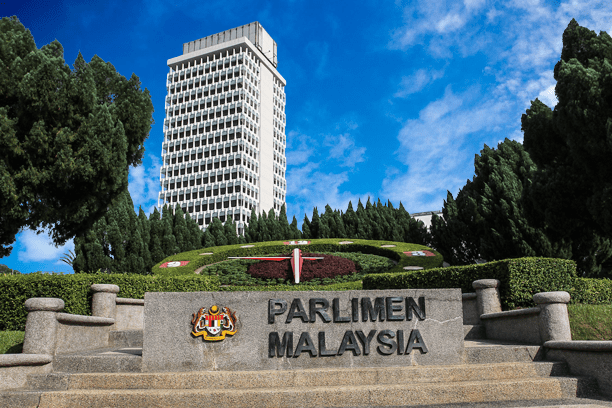
On 11th April , the Dewan Negara, the Upper House of Parliament has passed the two bills abolishing the mandatory death penalty.On 3rd April the Dewan Rakyat , the Lower House also passed the resolution for these Bills . The Abolition of Mandatory Death Penalty Bill 2023 removes the mandatory death penalty for 12 offences which were previously sentenced to compulsory Capital punishment , like murder ,drug trafficking, treason and terrorism. The Bill terminates the possibility of death punishment for 7 offences including, attempt to murder and kidnapping.The Revision of Sentence of Death and Imprisonment for Natural Life Bill 2023 allows prisoners sentenced to death or natural life imprisonment ( which means confining till death) to apply for resentencing by Federal Court within 90 days of the law being published or extended upon the discretion of court. Resentencing will not amount to review of the conviction but the Court can either uphold the original sentence or replace it with 30 to 40 years of imprisonment.
This new Bills will however retains the death sentence for drug trafficking under the Dangerous Drugs Act 1952, i.e the most common convictions for death row prisoners and the legislation also reserves canning as a punishment .Law Minister Azalina Othman said, “the new laws will affect about 1,340 prisoners currently on death row and over 100 serving natural life sentences, including 840 death row prisoners who have exhausted all appeals. More than a third of death row prisoners are foreign nationals.”
The Human Rights watch and UN commends this step of the Malaysian Government towards abolishing death punishments to conform to the global Human Rights convention of abolishment of capital punishments and providing a basic Right to Life to its prisioners but removal of canning a recognized punishment and de capitalizing the Drug trafficking will be its next step towards the global Human Rights norm.
Swarnabh Saha, Bcom-LLb (H) Sem 6, St. Xavier’s University , Kolkata