




Keywords: gender, sex, human right, law, courts
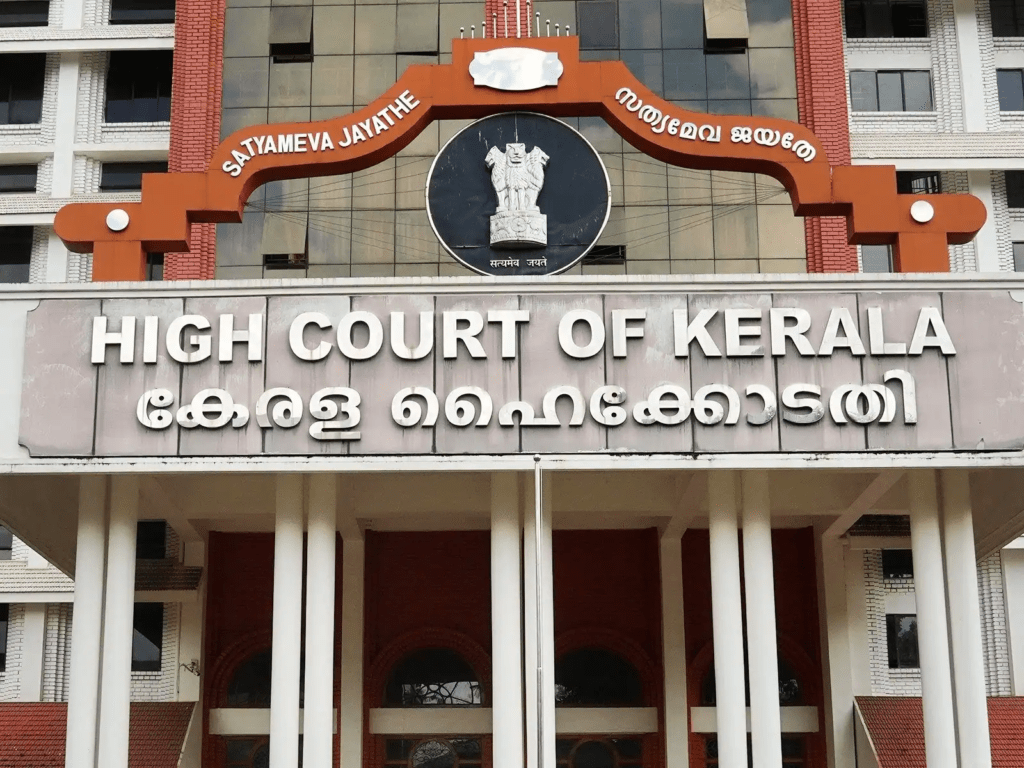
On Monday, the Kerala High Court delivered significant remarks addressing the distinction between biological sex and gender identity.
While ‘gender’ and ‘sex’ are frequently used synonymously, Justice VG Arun observed that they are in fact two different ideas.
“The terms ‘gender’ and ‘sex’ are often used interchangeably in casual conversation, but are actually two distinct concepts related to human identity and biology. Sex refers to the biological characteristics of a person, particularly in relation to their reproductive anatomy and chromosomal composition. Gender, on the other hand, is a social and cultural construct that encompasses the roles, behaviours, expectations, and identities associated with being male-female or non-binary,” the Court observed.
In a decision addressing the problems intersex people experience, the Court reviewed the Supreme Court’s historic ruling in the NALSA case and noted,
“If democracy is based on recognition of the individuality and dignity of man, the right of a human being to choose his/her sex or gender identity, which is one of the most basic aspects of self-determination, dignity and freedom, has to be recognised. Conversely, intervention with an individual’s right to choose sex or identity will definitely be an intrusion into that person’s privacy and an affront to his/her dignity and freedom.“
The Transgender Persons (Protection of Rights) Act, 2019, was read by the court, and the following clauses were noted:
“It is beyond cavil that the right to choose gender is vested with the individual concerned and no one else, not even the court.“
The 7-year-old child’s parents filed a petition with the court asking for genital reconstruction surgery so they could raise their son or daughter as a female. Despite doctors’ recommendations for genital repair, they refused to carry it out without a court’s approval.
The Court first explored the more fundamental ideas involved before responding to the difficult query of the ability of parents to determine the gender of their minor kid without the youngster’s consent.
The Court discussed depictions of persons with multiple sex genitalia in mythology and history.
It took into account the opinions of other nations regarding genital repair or gender affirming procedures as well as the UNCRC’s position on the issues affecting intersex newborns.
It noted that “only few countries have come forward with a legislation either regulating or permitting genital reconstruction/affirmation surgery and even with respect to those countries, the age of consent varies.“
The court also noted that a piece on the subject that appeared in the Medical Law Review and a World Health Organisation report titled “Sexual Health, Human Rights, and the Law” both emphasised the serious lack of evidence supporting the therapeutic value of non-consensual intervention.
At the end of the day, Justice Arun came to the conclusion that allowing the petitioners in this case to proceed with the surgery on their child would violate the child’s rights under Articles 14, 19, and 21 of the Indian Constitution and that performing the surgery without the child’s consent would be a violation of the child’s dignity and privacy.
“Granting such permission may also result in severe emotional and psychological issues if, on attaining adolescence, the child develops orientation towards the gender, other than the one to which the child was converted through surgical intervention,” the Court added.
The Court did order the formation of a State Level Multidisciplinary Committee to assess the child and determine whether or not they have any potentially fatal medical conditions. According to the Court, approval can be given for the procedure if this is the case.
Additionally, it instructed the State government to issue a decree governing sex-selective procedures performed on newborns and young children.
Written by: Sakshi Sinha, College: KIIT School of Law, Semester: 6th an intern under Legal Vidhiya

