




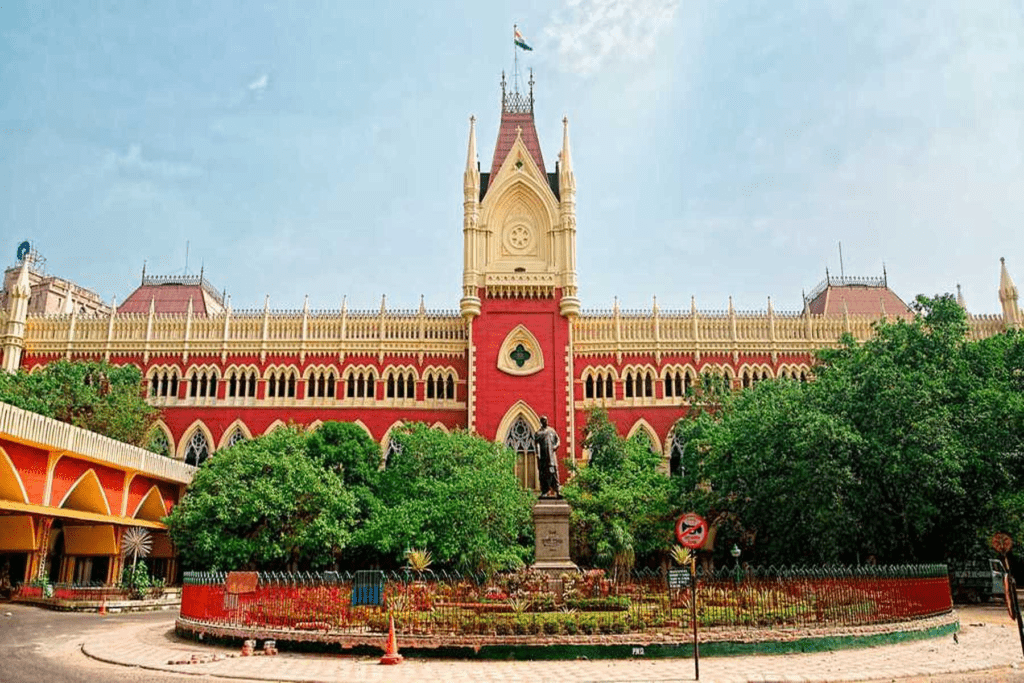
On 3rd August,2023 it was reported that the Calcutta High Court has dismissed an appeal filed by the representatives of several tea plantations in West Bengal, for quashing an advisory issued by the State Labor Commissioner to the lower court dated 27th April, 2023; which was based on the Minimum Wages Advisory Committee for the State of West Bengal dated 17th February, 2015. The advisory issue being, hiking interim minimum wage for tea plantation workers to Rs 250/- per day w.e.f. 1 June 2023. As the headline clearly states, the High Court situated in the state of West Bengal has dismissed the petitioner’s plea and thereafter finally asked the Central Government to decide upon the minimum wage settlement within a period of 6 months. An official statement given the by single -bench judge; Justice Raja Basu Chowdhury is as follows:
“I find that the Labor Commissioner had from time to time enhanced the wages pending finalization of the minimum wage settlement. Such arrangement, obviously, had to be worked out since, the workers could not be called upon to wait indefinitely for the settlement of Wages under the said Act. I find that it is the petitioners had, in fact, all along accepted the enhancement of wages of the daily rated workers working in the tea garden. Having regard to the conduct of the petitioners, and the peculiar facts of this case, considering the human problem involved, it is only reasonable to conclude that the approach that was adopted by the parties, was to consciously overcome the delay in finalization of the minimum wage structure.”
Though the Court agreed on the fact that when a statutory authority as prominent as the Government directly or through forming a committee; is asked to do a statutory work in a certain way which is aimed at ensuring decent working lifestyle for the plantation workers, it cannot deviate from it, such that it is under an obligation in terms of Article 43 of the Constitution of India to secure a living wage and conditions of work securing decent standard of life and full enjoyment of leisure and social and cultural opportunities for its workers. However, Court said the aforesaid case seems to be in accordance to the legal maxim ; from other regular cases since, here the petitioners consciously consented to the Government to decide on the matter and having done so, it continued, after repeated changes brought out by the government in the wage revision matter of the tea-plantation workers.
The court remarked “The petitioners cannot be permitted to blow hot and cold at the same time. Admittedly, the petitioners having accepted and implemented the various decisions as regards enhancements as noted above, cannot question the authority of the Government to issue the aforesaid Advisory,”. In simple terms, the court is trying to say that the petitioner cannot back out from earlier trust and consent given to the government for the wage revision exercise, wrongly justifying that the tea industries are currently not in that stage to have a raise in the renumeration of the tea-plantation workers. The court has further disregarded the petitioner’s defenses against the said proposition by the State Labor Commissioner:
Petitioner’s Side
- It was submitted by the petitioners that before the formation of a Minimum Wages Advisory Committee for the purpose of determining minimum wages of workers in tea plantations; the wages of the aforesaid workers were fixed by mutual settlement between the tripartite of the plantations in compliance with the Industrial Disputes Act, 1947.
- As stated earlier, the petitioners argued that their financial condition had worsened since the aforesaid events, resulting in decrease in sales and other financial restrains; and that they had written to the Chief Minister OF West Bengal highlighting the same, but even so, the Labor Commissioner had subsequently issued the impugned advisory hiking the wages of such workers to Rs 250/- per day pending finalization of a minimum wage settlement.
- It was submitted by the petitioners that even after letters to the Government to withdraw such an advisory, the same was not done, and that the Minimum Wages Act,1948 did not recognize the State’s authority to unilaterally raise the minimum wage structure, especially during the subsistence of an advisory committee.
- Finally, the petitioners argued that under the Industrial Disputes Act, 1947 (“ID Act”), the Labor Commissioner while issuing such the impugned advisory, was acting in the capacity of a “conciliation officer” and that issuance of such an advisory was well outside the ambit of powers of a conciliation officer under the ID Act.
Respondent’s Side
- The respondents on the other hand argued that although a committee had been set up under the MW Act for advising the Government in fixing and revising of minimum wages payable to tea plantation workers, but there had not been any final-outcome on the issue of determination of a minimum wage settlement under the MW Act.
- It was submitted that under Article 43 of the Indian Constitution, the State had been entrusted with the responsibility to take care of the interest of the employers and the plantation workers for development of tea industry, and resultantly the State periodically and as an interim measure raised the wages of the tea garden workers, through memoranda, which were accepted and given effect to by the petitioners.
- It was argued that the 27 April notification had been issued after weighing in demands levelled by worker unions in a meeting with State officials, and that despite never challenging any wage hike effected by the State, the petitioners chose to object to the aforesaid notification.
Finally, on the prayer for a minimum wage settlement, the Court noted that it had been the joint prayer of both the petitioners and respondents for the settlement of minimum wage for plantation workers “at the earliest.” Thus, the challenge to the aforesaid advisory is hereafter rejected by the Calcutta High Court.
NAME: DIVYA SALGAONKAR, 3rd YEAR BLS , COLLEGE NAME: VES COLLEGE OF LAW, MUMBAI

