




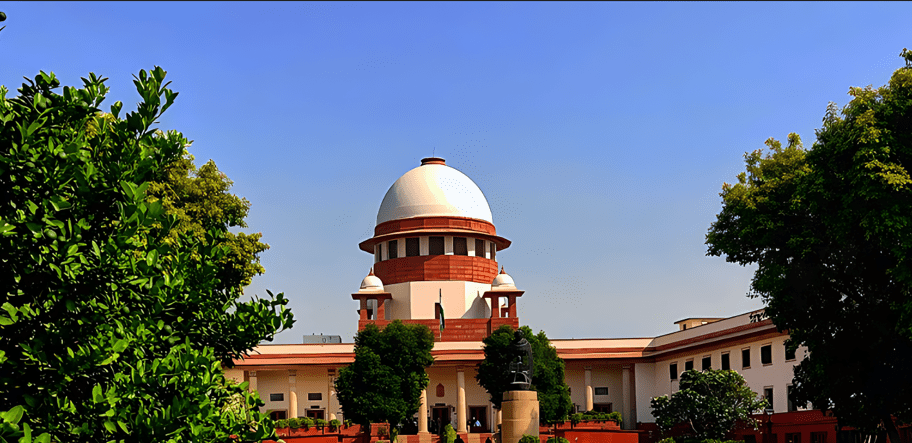
New Delhi, [Date] – Akhil Gogoi, the Member of Assam Legislative Assembly from Sibsagar, has taken his stand against the contentious Section 124A of the Indian Penal Code, 1860, commonly known as the “Sedition Law,” and other related offenses by filing a petition in the Supreme Court of India. In his plea, Gogoi challenges the constitutional validity of Section 124A, along with similar offenses that involve the same ingredients as sedition, claiming them to be ultra vires of Article 19(1)(a) of the Constitution, read with Articles 14 and 21.
The MLA’s petition also raises concerns over the criminalization of political and speech acts that are critical of the Government and its policies. Gogoi argues that dissenting speech, which merely criticizes the enactment of the Citizenship (Amendment) Act, 2019 (CAA), is unfairly perceived as a part of some larger conspiracy. He further highlights that offenses, which may be misdemeanors or IPC offenses, are being categorized as “terrorist activities” under the Unlawful Activities (Prevention) Act (UAPA), thereby amplifying the gravity of the charges.
Citing the Supreme Court’s previous directions on Section 124A in the case of S.G. Vombatkere v. Union of India, Gogoi contends that those directions should be equally applicable to cases where the offenses’ nature falls within the realm of sedition. He argues that the criminalization of political criticism of the State infringes upon the fundamental right to freedom of speech and expression, guaranteed under Article 19(1)(a) of the Indian Constitution.
Gogoi’s plea, filed under Article 32 of the Constitution, seeks a stay on the ongoing proceedings against him under Section 124A, as he awaits the Top Court’s decision on the constitutionality of the said provision. His prosecution stems from his participation in protests against the Citizenship (Amendment) Act, 2019.
In his defense, Gogoi asserts that he is accused of “speech offenses” that are essentially political acts of critique, falling squarely within the ambit of Section 124-A, IPC. He strongly denies any involvement in violent activities, claiming that the allegations against him are broad and ambiguous. According to the charge sheet, he is accused of organizing protests with the intent to threaten the unity, integrity, security, economic security, and sovereignty of India.
The petition filed by Akhil Gogoi adds to the ongoing discourse surrounding the Sedition Law in India, which has been criticized by various sections of society and human rights advocates for its potential to stifle dissent and curtail freedom of speech. The Supreme Court’s decision on this case may have significant implications for the future of free expression and political activism in the country.
As the matter now rests with the Supreme Court, legal experts and civil liberties advocates eagerly await the court’s response to Gogoi’s plea and its potential impact on the contentious provisions of the Sedition Law. The court’s decision will likely set a precedent for cases involving charges of sedition and the criminalization of political speech acts in India.[1]
Written by- Jaydeep Ramani, College name – Veer Narmad South Gujarat University, Semester- 7 an intern under Legal Vidhiya
[1] https://legal.economictimes.indiatimes.com/news/litigation/assam-legislator-gogoi-files-plea-in-sc-challenging-sedition-law-criminalisation-of-views-critical-to-govt/101965275

